
Godzilla Melee Remastered Adventure Mode Walkthrough
Eight cities, one mothership, and a campaign for every kaiju.
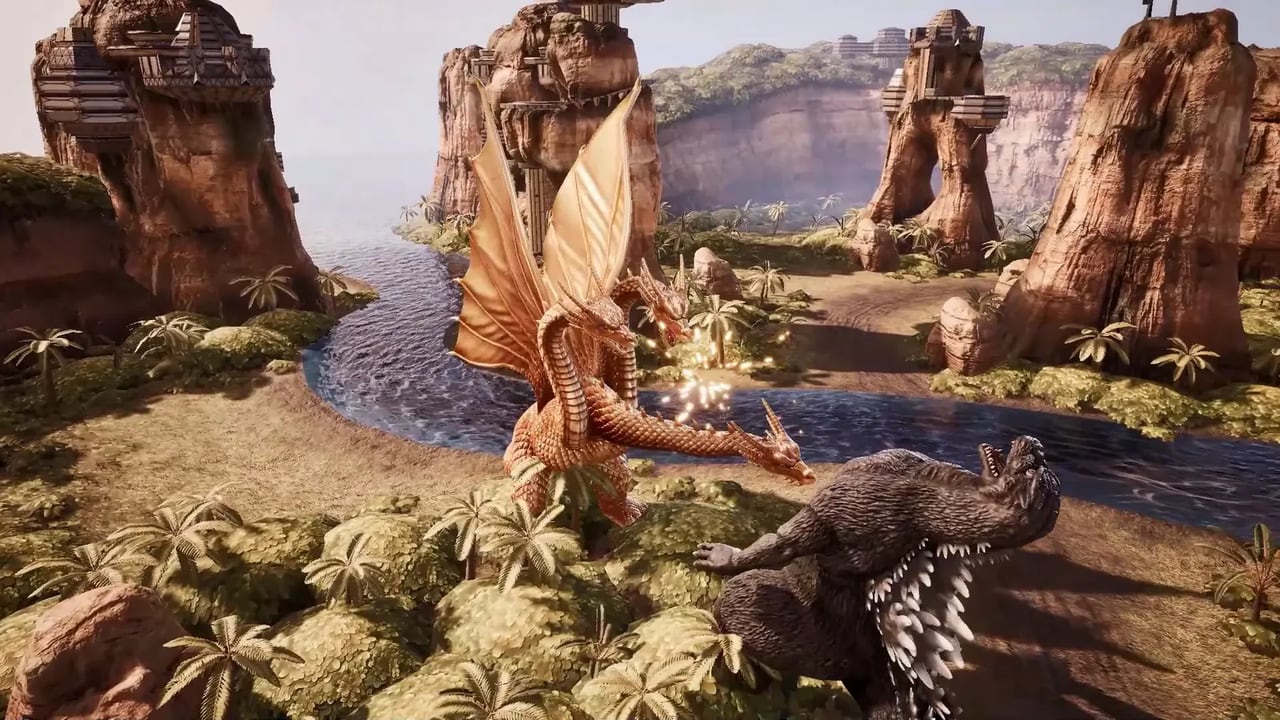
Adventure is still the spine of Godzilla: Destroy All Monsters Melee Remastered. You pick a monster, you fight a scripted sequence of rivals across the maps, and you finish aboard the Vortaak Mothership against a Mechagodzilla. Atari added extra single-player campaigns for each kaiju, so completionists now have twelve stories instead of one shared ladder. The video in the middle of this page is a 2002 GameCube longplay, labeled honestly, because the remaster’s full campaign has not been recorded yet. Use it to learn pacing and stage order, not to copy Unreal Engine 5 lighting.
How a run works
A standard Adventure path is eight one-round fights. Easy (the old default) gave unlimited continues. Normal and Hard limited you to three continues and turned the CPU mean. Atari icons that feed the gallery used to appear on Normal and Hard; run over them. The remaster still sells gallery unlocks, but you can also buy stills with the new currency in any order — see unlocks and the unlock planner.
Your opponent list depends on who you picked. Godzilla 90’s (now Heisei Godzilla in the remaster UI) famously opened on Monster Island versus Anguirus, then Osaka versus Megalon, San Francisco versus King Ghidorah, Tokyo versus Gigan, Seattle versus Rodan, Los Angeles versus Destoroyah, London versus Mecha-King Ghidorah, and the Mothership versus Mechagodzilla. Other starters shuffle that list. The last fight remaining a mechanical monster is the constant.
Because the remaster lets you unlock fighters without chaining every campaign, you can now play Adventure as Destoroyah on night one if you spend the currency. That does not make the CPU path trivial. Destoroyah still has to learn beams, grabs, and military aggro like everyone else. Read how to play before you crank Hard.
Difficulty and continues
- Easy: Learn stage geometry. Unlimited continues in the original. Use it to scout day/night and weather, which the remaster added.
- Normal: Three continues, gallery pickups, honest CPU. The intended first clear.
- Hard: Same continue limit, faster and greedier AI, better practice for online.
If you are doing the extra per-kaiju campaigns, do not start them all on Hard. Clear once on Normal so you see the new UI and mode-select-at-character-screen flow. The preview notes that Pipeworks rebuilt menus; your 2002 pause-muscle will lie to you for the first hour.
How to beat the Mothership finale
The closing arena is not a city. Sightlines are stranger, the floor is a spacecraft, and Mechagodzilla (Showa-styled in the remaster trailer, with Kiryu also on the roster for other fights) has the beam advantage. Practical rules that survived from 2002:
- Do not empty your energy bar in a pride war. Tap projectiles, then punish a missed ray with a grab.
- Mechs resist certain strike classes. If fierce bounces, switch to punch or kick. Details on mecha kaiju.
- Save Rage for a knockdown. A blocked Oxygen Destroyer or nuclear pulse is a wasted pickup.
- Watch your jump. The Mothership is easy to overshoot, and flyers who panic-hover get anti-aired.
- If the remaster still lets military or alien turrets interfere, treat them as extra projectiles, not background.
A longplay of the original Heisei Godzilla path sits in the middle of this article so you can see the eight-fight rhythm, including the Mothership close, before you attempt it in 4K.
Extra campaigns
The press sheet is explicit: additional single-player campaigns for each kaiju. That is new. In 2002, beating Adventure with a character unlocked someone else. In 2026, beating Adventure is content, not a gate. Play the campaigns for story flavor and for gallery currency, not because Kiryu is locked behind Destoroyah plus Rodan plus Mecha-King Ghidorah. The old chain is documented on unlocks so veterans understand why the new shop exists.
If a campaign introduces a unique fight order, we will log it after the demo. Until then, assume eight fights and a mothership, with the rival list shifting per lead monster the way the original did.
Survival, Destruction, and why they are not Adventure
Survival is a health-bar endurance test with weak refills between opponents and a timer. Destruction is a score attack on buildings. Neither replaces Adventure. Use Survival to practice get-up options. Use Destruction to learn military aggro. Use Adventure when you want a beginning, a middle, and a Mechagodzilla. The Guides hub links all three mindsets without pretending they are the same mode.
A clean completion route
- Clear Adventure on Normal with Heisei Godzilla.
- Spend currency on Godzilla 2000 or Gigan — kits that teach speed versus tools. See the versus tier list.
- Clear one extra campaign on a flyer (Rodan) so you learn energy-taxed flight on maps that have vertical space.
- Clear one campaign on a mech so the Mothership finale stops feeling like a hard counter.
- Only then turn on Hard and hunt gallery pickups.
That route respects the remaster’s promise: you choose the order. Adventure is no longer a chore gate. It is the best way to meet every city before you take those cities online.
Frequently Asked Questions
Quick answers to the most common questions.
How many fights are in Adventure?
Eight in the original structure, ending on the Vortaak Mothership. Extra per-kaiju campaigns are new in the remaster; fight counts for those will be confirmed in the demo.
Can I still unlock monsters only through Adventure?
No. The remaster uses currency you can spend in any order. Adventure remains the best way to earn that currency and to learn stages.
Why is the embedded video from 2002?
No full remaster campaign capture exists yet. The longplay is labeled as the original so you can study order and pacing.
What should I play after beating Adventure?
Run Destruction for scoring practice, then online multiplayer, and spend currency with the unlock planner.